- Our mission at IPowerE is to serve our members and the industry by encouraging the sharing of knowledge and experience in the field of power and energy and to advance conceptual thought, design, development, manufacture, application, operation and maintenance of power and energy plant and systems.
- Our vision is to be the leading independent international forum for promotion and exchange of knowledge and for development of technology in the field of power and energy.
You are invited to be part of IPowerE. Join a unique professional organisation dedicated to your industry and extend your Continuous Professional Development (CPD) by participating in IPowerE meetings, technical visits and networking opportunities
Join Now: As a Member you get access to the on-line library and receive past technical papers published in our quarterly journal “Power Engineer” free of charge.
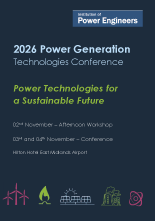
TECHNOLOGY SEMINAR & 77TH ANNUAL LUNCHEON
Thursday 26th March 2026
“The Future of Global Power Generation”
Where industry leaders, innovators and change-makers come together to share insights and explore the dynamic landscape of energy and power engineering.
A great way to host clients, generate new business opportunities, and catch up with familiar faces.
This y
ear’s Guest Speaker is Professor Suzie Imber, Space physicist, TV series winner, high-altitude mountaineer, elite athlete, global environmental leader, broadcaster and inspirational speaker.
YOUNG ENGINEER EVENT
This free event is being held in Bristol in conjunction with some of the UK’s top professional institutions – IMechE, IPowerE, IET and ICE.There will be plenty of networking opportunities with industry, especially for students looking for grad schemes and internships.
Electricification: can the grid cope?
Britain’s decarbonisation strategy assumes rapid electrification of heating, transport and industry, yet deployment trends and infrastructure constraints indicate these ambitions are unlikely to be met. Heat pumps, EVs and industrial fuel-switching are stalling, while ageing gas and nuclear assets are retiring faster than firm replacement capacity can be delivered. At the same time, AI-driven data-centre growth is adding material new load that the grid is increasingly unable to accommodate.
Without urgent action to secure dispatchable generation and stabilise the gas network, the UK faces escalating risks of supply shortfalls and widespread system failures well before 2030. It will be difficult to meet existing demand without rationing, let alone any additional demand from electrification.
The Government must urgently pivot to ensuring there is sufficient dispatchable power generation available to meet demand on low wind days, making realistic assumptions about what can be delivered by 2030. The UK would do well to follow the example of Germany, which despite its strong commitment to renewables, has identified a need for significant new gas-fired power generation capacity.
Without such a plan, electrification ambitions risk remaining theoretical while exposing the electricity system – and the public – to unacceptable levels of risk. Net zero promises should not be prioritised over public safety. To ensure the electricity system remains secure, new investment in gas generation is essential, even if it is unabated.
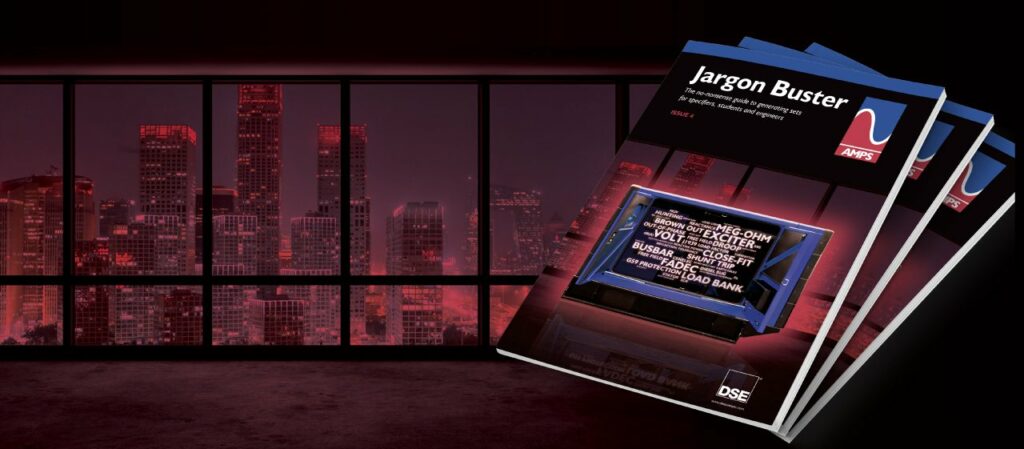
AMPS Jargon Buster
Explaining key terms for specifiers and end users
The no-nonsense guide to generating sets for specifiers, students and engineers.

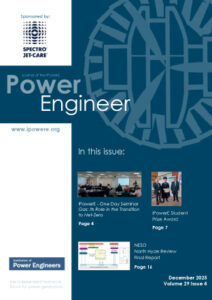
Have an article published in the journal
IPowerE welcomes technical articles for publication from members and non-
members. They can relate to your recent experiences or those some time in the past.
We are interested in articles which cover topics such as:
- A description of a new plant or process, commissioning experience of such plant or processes, performance of such plant.
- A description of a new development/process.
- Personal experience of a particular period as an engineer.
We invite you to send in any ideas and suggestions (title and one paragraph introduction) for articles to the Bedford Office for consideration for publication in the journal.